Inputs
Primary source collection
Official site, docs, pricing, privacy, security, repository activity, release notes, and migration documentation.
Methodology
The recommendation engine should feel auditable. This page shows what counts as evidence, how weighting works, and where the editorial layer gets intentionally strict.
Inputs
Official site, docs, pricing, privacy, security, repository activity, release notes, and migration documentation.
Scoring
Privacy posture, openness, maintenance, usability, and business readiness. No single idealist metric decides the outcome.
Guardrails
Never call something “best” without a use case, never hide migration pain, and never let sponsorship rewrite ranking logic.
Scoring dimensions
These are the dimensions users should understand before trusting any recommendation coming from the app.
Telemetry defaults, encryption claims, hosting control, data exposure, and what the vendor does not say clearly enough.
License reality, source visibility, self-hosting paths, API quality, and whether openness actually survives contact with deployment.
Release freshness, documentation quality, issue hygiene, roadmap credibility, and whether the product feels alive.
Onboarding friction, cross-platform quality, workflow fit, migration complexity, and the real cost of re-training a team.
Team support, admin controls, billing clarity, import-export tooling, compliance cues, and buyer confidence.
Review pipeline
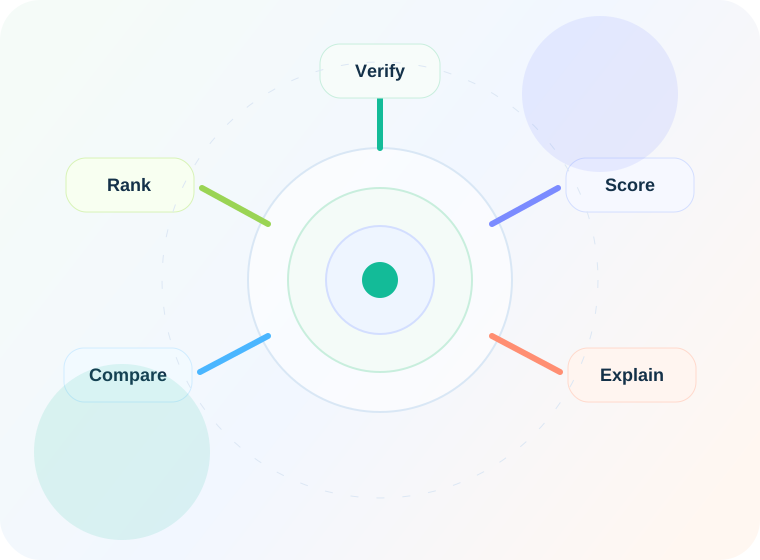
Stage 01
ASR starts with official docs, pricing, privacy language, changelog reality, and migration constraints before any score exists.
Why this matters
That is why methodology is not a legal footnote here. It is product design, editorial trust, and future monetization discipline all at once.